PaybyMe, DenizBank, and VISA Walk Into a Press Conference
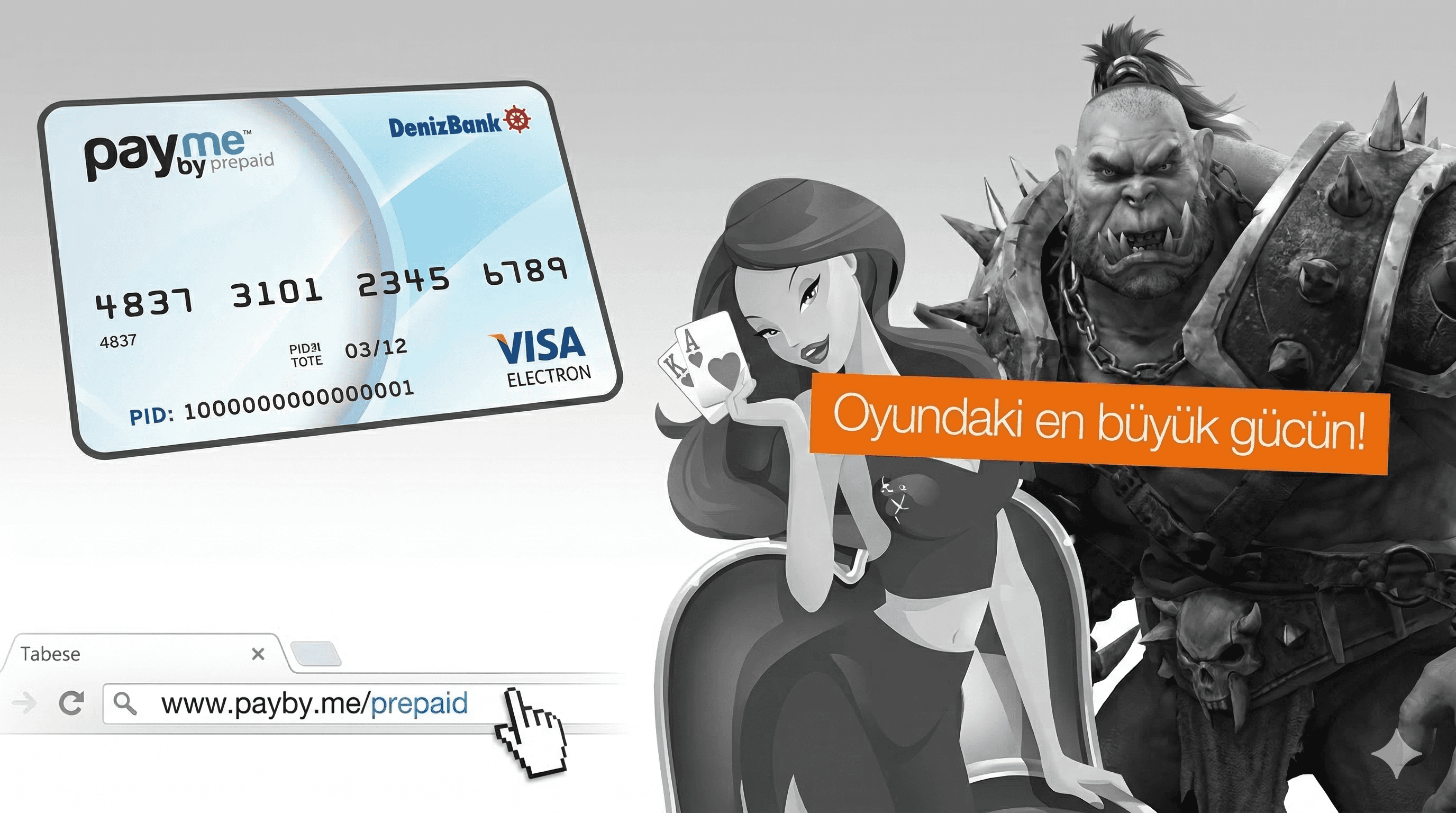
Setimedia managed all communications for the PaybyMe Card launch, a prepaid VISA product by DenizBank targeting gamers. Available in 10, 25 and 50 TL denominations, eliminating the need for a credit card.
3 min read
Prepaid cards and gaming had an obvious relationship that took years for anyone in Turkiye to actually act on.
The problem was not complicated. Most young Turkish gamers in 2013 did not have credit cards, and their parents were not enthusiastic about attaching theirs to an online game account. That left gift cards if you could track down the right one, asking a relative, or simply going without. For a generation spending real time in online games, it was a constant, low-grade friction.
PaybyMe, DenizBank, and VISA answered that with a prepaid card available in 10, 25, and 50 TL denominations at retail locations across the country. No bank account required, no parental credit card exposed. It activates on first use at any PaybyMe partner site, runs on a unique PID number, and reloads instantly through DenizBank ATMs or PaybyMe points of sale. The mechanics are straightforward because the problem was straightforward.
Setimedia handled the full communications push for the launch, from press relations and media outreach to event management and all public-facing materials. The real work was in the brief: two audiences with different concerns, neither of whom responds well to being talked at in the same voice. For gamers, the pitch was speed and independence. For parents, it was control and safety. Writing both without sounding like you're writing neither is harder than it sounds, and the communications reflected that distinction deliberately.
The Istanbul press conference two days ago landed well. Gaming and tech media in this market are sharp enough to know when a product solves an actual problem versus when it generates a press release. The PaybyMe Card is the former, and the coverage treated it accordingly.
Fintech and gaming had barely intersected in Turkiye before this. A bank, a payment provider, and the gaming sector sitting in the same room to solve the same problem was unusual in 2013. The fact that it took this long probably says something about how slowly financial infrastructure moves when the user base is young and perceived as low value. The card disagrees with that assessment, and so does the market it just entered.