The Influencer Conversation Nobody Wanted to Have
Setimedia hosted a candid panel at GIST on the realities of influencer marketing in gaming. Creators and brand-side professionals discussed expectations, creative friction and what makes a sponsored campaign actually work.
2 min read
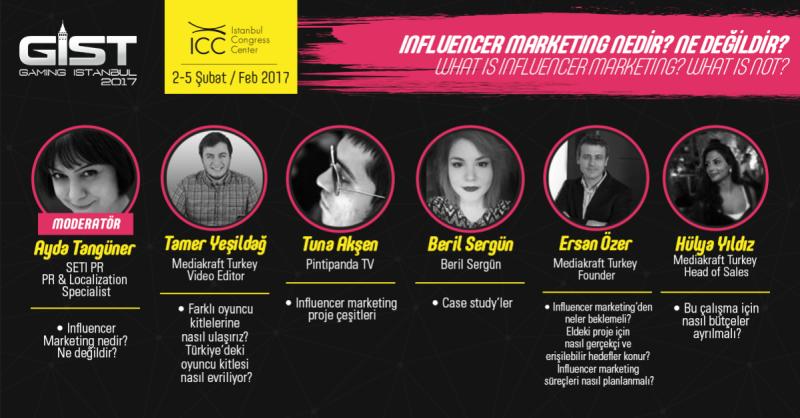
The conversation that actually needed to happen at GIST 2017 wasn't on the main stage. It was the one where a creator told a room full of brand people, politely but clearly, that a video performing well for the client and a video performing well for the channel are not the same thing, and that confusing the two is where the budget disappears.
Setimedia had been in influencer marketing long enough to know what wasn't being said publicly. The mechanics were already standard practice by 2017, gaming channels were a legitimate line item, rates were real, contracts existed, but the honest conversation about how the relationship actually worked was mostly happening in private. We used a panel slot at GIST to drag some of that into the open.
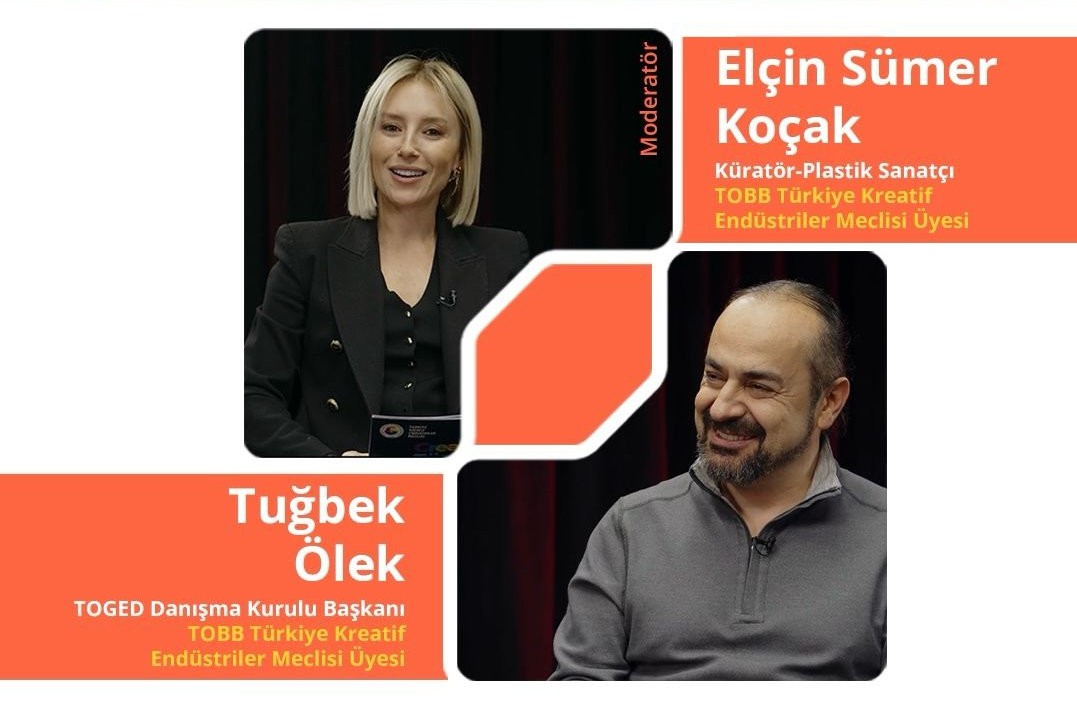
Ayda Tanguner, Setimedia's PR team lead, moderated it. The format was deliberately simple: creators on one side, agency and brand people on the other, with enough trust in the room to say things that normally stay in DMs. No presentations. No prepared remarks. Just questions worth asking.
What does it actually mean to run a gaming channel as a business? Where does the briefing process break down? What makes a sponsored video land versus one that quietly chips away at a creator's relationship with their audience?
The answers weren't comfortable, and that was the point. The gap between what a brand considers a successful campaign and what a creator considers a successful video came up more than once. So did the pressure creators feel to deliver metrics that have nothing to do with whether the content made sense for them. These aren't new problems, but they were problems the industry in 2017 was still pretending didn't exist, or at least not saying out loud at conferences.
Setimedia had watched influencer marketing grow from "let's send the game to some YouTubers and see what happens" into something with rates, performance clauses, and briefing documents. The professionalization was necessary. Some of what came with it, the same assumptions and blind spots that had long plagued traditional PR, less so.
The panel ran long. The conversation continued in the hallway afterward. That's usually the sign that the right question got asked.